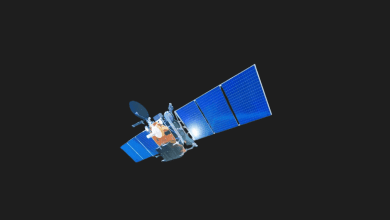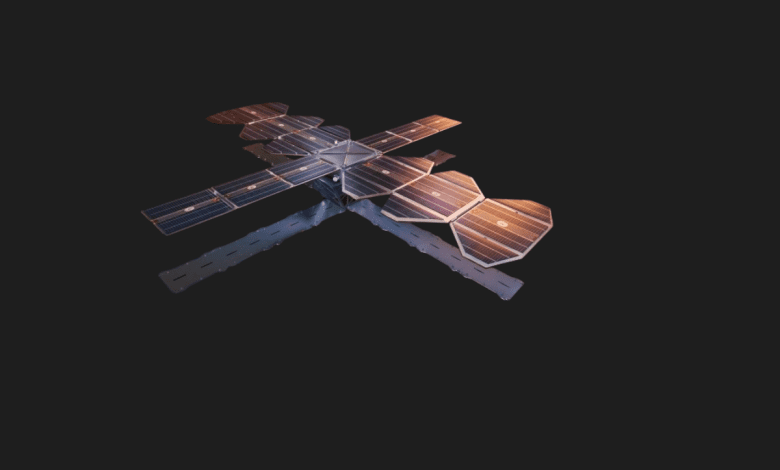

Seattle-based Hubble Network is advancing its ambitious project to bring Bluetooth technology to space. The company announced a new generation of satellite systems that will create a “true Bluetooth layer” around the Earth. This system is designed to offer a functionality similar to Apple’s Find My network, but for the enterprise market.
At the heart of the new system is Hubble’s proprietary phased-array receiver. These powerful receivers will be installed on Muon Space’s MuSat XL satellites, which are scheduled for launch in 2027. The first two satellites are expected to provide global coverage with a 12-hour revisit time. The system can also detect Bluetooth Low Energy (BLE) signals with 30 times less power than existing solutions, which could significantly extend the battery life of sensors and tracking devices in the field.
In 2024, Hubble Network became the first company to establish a direct Bluetooth connection with a satellite. A key advantage of their system is that it doesn’t require specialized hardware. Enterprise users can connect to the network simply by integrating Hubble’s firmware into the chipsets of their devices.
Ambitious Expansion Plans

The company highlights that this space-based network provides global visibility without the need for infrastructure investment, offering significant benefits for sectors like logistics, infrastructure, and defense. Currently, Hubble has seven satellites in orbit and aims to increase this number to 60 by 2028. Over time, all existing satellites will be replaced with larger and more powerful platforms.
As part of this growth plan, Muon Space, a critical partner, aims to reach a production capacity of 500 satellites per year by 2027. Hubble will be the first customer to use the 500 kg-class MuSat XL platform, which supports high-power payloads, optical data transfer, high-bandwidth downloads, and near real-time communication.
Muon Space also intends to offer its infrastructure not just to the commercial market, but also to government agencies like the U.S. Department of Defense. The system is described as being well-suited for multi-mission satellite needs, such as the Space Development Agency’s (SDA) missile defense satellites.


You Might Also Like;